


Testosterone in Women
Brandon Addison • May 14, 2024

Believe it or Not, Testosterone Plays a Role in Women's Health Too

Three smiling people in pink shirts embrace outdoors.

Testosterone is synonymous with the male physiology. Everyone knows men produce and need large levels of testosterone and that the hormone plays a vital role in reproduction. But did you know that testosterone is also an essential and necessary hormone for women? Although not needed in such large quantities, testosterone is essential to certain physiological functions in women. Here are a few key roles and effects testosterone plays in the female body:


1. Libido and Sexual Function: Testosterone contributes to sexual arousal and libido. Low levels can lead to decreased sexual desire.

2. Bone Density: Testosterone helps maintain bone density, and low levels can increase the risk of osteoporosis.

3. Muscle Mass and Strength: It supports muscle growth and maintenance, contributing to overall body strength.

4. Mood and Well-being: Adequate levels of testosterone are linked to mood stabilization and overall sense of well-being. Low levels can contribute to mood swings, depression, and fatigue.

5. Cognitive Function: It plays a role in cognitive functions such as memory and focus.


Testosterone is produced in the ovaries and adrenal glands and just as with men, when women age those testosterone levels become less optimal and less efficient. This decrease in hormone production can create different symptoms that may be experienced such as:


  • Reduced libido
  • Fatigue and decreased energy levels
  • Depression and mood changes
  • Muscle weakness
  • Weight gain
  • Thinning hair


If you are a middle aged woman and feel as though you may be experiencing some of these symptoms, it could be related to decreased testosterone levels! The best place to start is by having blood work done and working with an experienced clinic and provider who truly understand women’s hormones. By examining labs and assessing symptoms, an expert practitioner can provide guidance and recommendation for what your body may need to regain your quality of life!


If you have more questions about women’s hormones and HRT, please contact us and we will be more than happy to answer your questions!


Promotional graphic. Text:
By Brandon Addison January 6, 2026
Why January Is the Best Time to Prioritize Your Health? January isn’t just a new month—it’s a reset button for your body and your mindset. Here’s why starting your health journey now makes the biggest impact.
Comparison of TRT vs natural testosterone boosting showing options, benefits, and lifestyle tips,
By Brandon Addison December 16, 2025
Learn the key differences between TRT and natural testosterone boosting, including benefits, risks, and how to choose the right approach for low testosterone.

Winter hormone health tips showing why energy drops in cold weather and ways to boost testosterone
By Brandon Addison December 9, 2025
Discover why your energy and hormones dip in winter and learn practical tips to naturally support testosterone and overall hormone health.
TRT Q&A Volume 2: Facts vs BS. Yellow text on purple. Medical symbol in shield.
By Brandon Addison August 10, 2023
HRT, ED and Weight Loss Q&A with and Expert
By Brandon Addison August 10, 2023
Live Testosterone Q&A with Brandon Addison - TRT and HRT Expert

Vial of Semaglutide (generic Wegovy) with open box labeled
By Brandon Addison February 13, 2023
What does the science say about Marietta Weight Loss with Semaglutide

Man in denim shirt with arm around woman, both smiling and looking upwards.
By Brandon Addison February 21, 2022
Why enclomiphene citrate is our alternative to HCG for patients on Testosterone Therapy.
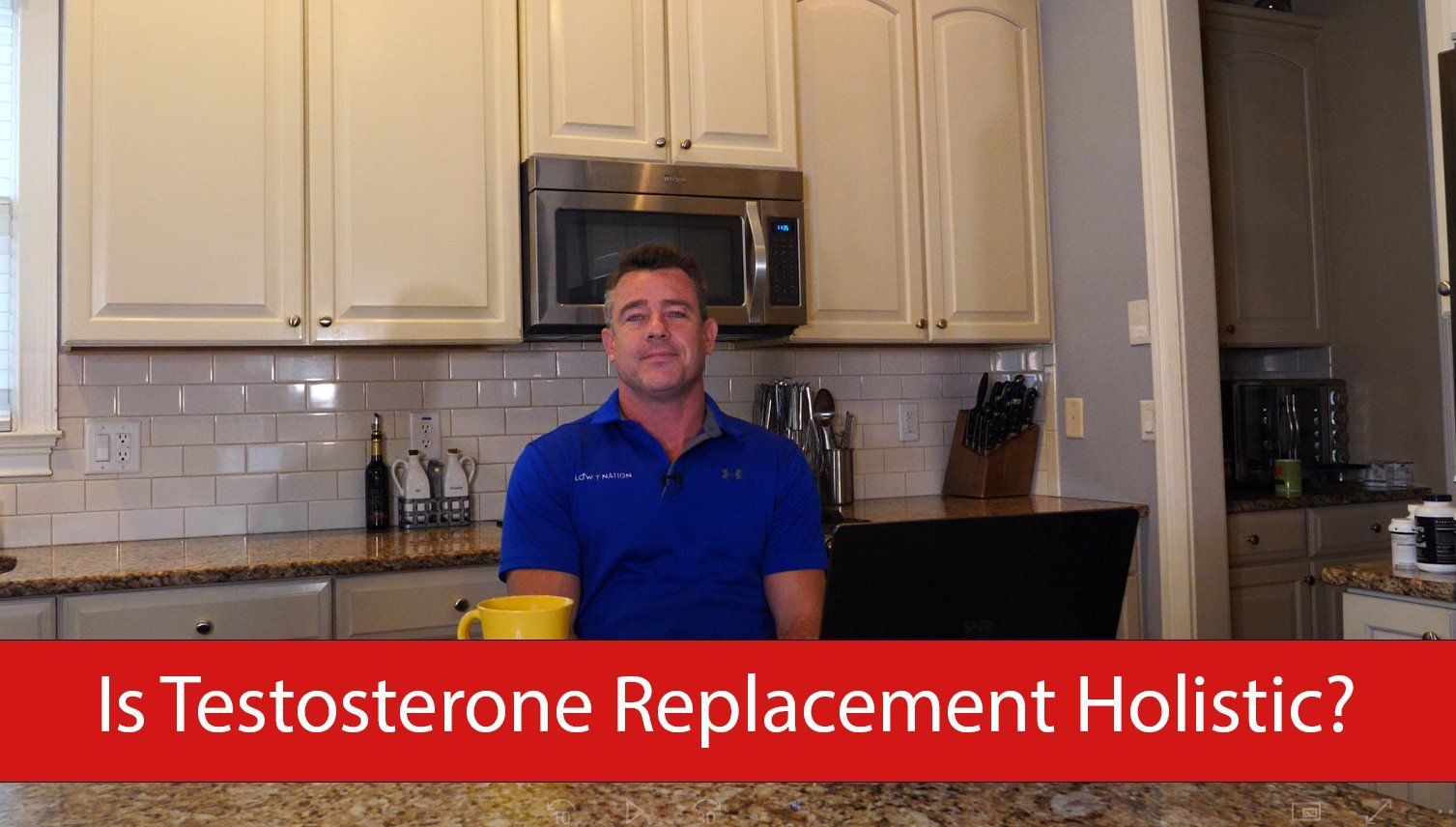
Man in blue shirt in a kitchen, discussing testosterone replacement. Text:
By Brandon Addison August 24, 2021
Is Testosterone Replacement Therapy Holistic or Natural

Person in white underwear measuring their waist with a yellow tape measure.
By Brandon Addison June 18, 2021
The HCG Diet is complete BS and this video explains why.
Testosterone Shots or Pellets? — Atlanta, GA — Low T Nation
By admin admin March 18, 2017
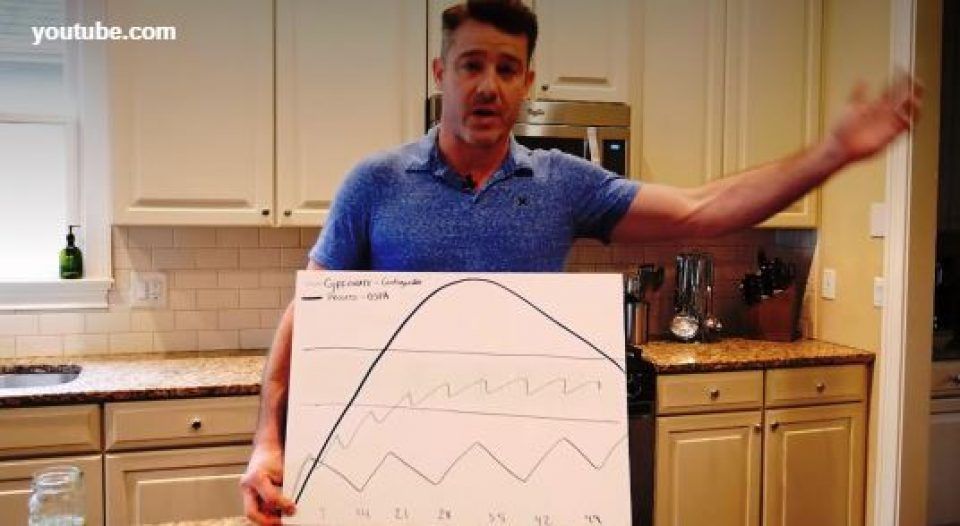
Testosterone can be delivered using many delivery platforms. Injections, pellets, creams, gels, and patches are the most commonly used delivery methods. There are definite benefits and drawbacks to each and we are going to evaluate them for you here. First, let’s talk about using testosterone pellets. The pellets are implanted into the subcutaneous dermal layer, typically in the upper hip area. This approach is very limiting for a few reasons. First, it’s a one size fits all approach. They are dosed by body weight and BMI calculations and leave no room for individualizing a patients levels based on his own natural, optimal level. Another limitation is that the pellets bleed heavily early on after implantation, then fall well below optimal levels. This below optimal state is constant until pellets are implanted again around four to six months from the previous insertion date. This roller coaster is exhausting and can sometimes be harder on the patient that being at a consistently low testosterone level, simply because of the consistency of the state of being. Below is a chart showing three different dosages of testosterone pellets over six months. You can see that if your levels repeated this up and down every six months, it would be quite a ride.